Branding Methods
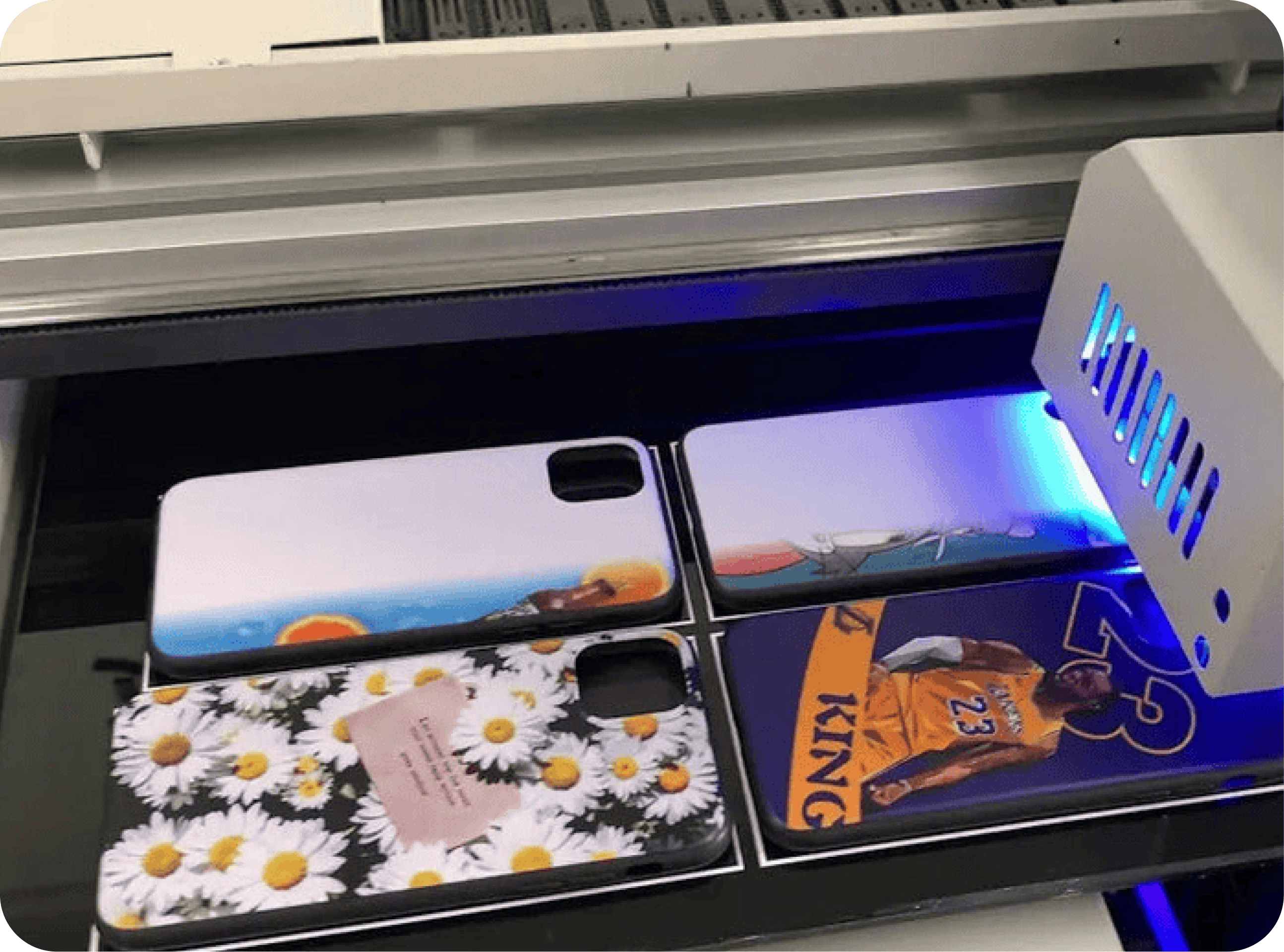
UV Print
What Is It
UV printing uses ultraviolet light to instantly cure ink directly onto a product's surface. This method produces sharp details, vibrant colors, and full-color designs on materials such as plastic, stainless, metal, acrylic, wood, and leather.
Expectation & Limitations
UV print delivers excellent color accuracy and allows for gradients, photographs, and complex artwork. However, while highly durable, the print may gradually wear if exposed to frequent friction, scratching, or harsh outdoor conditions.
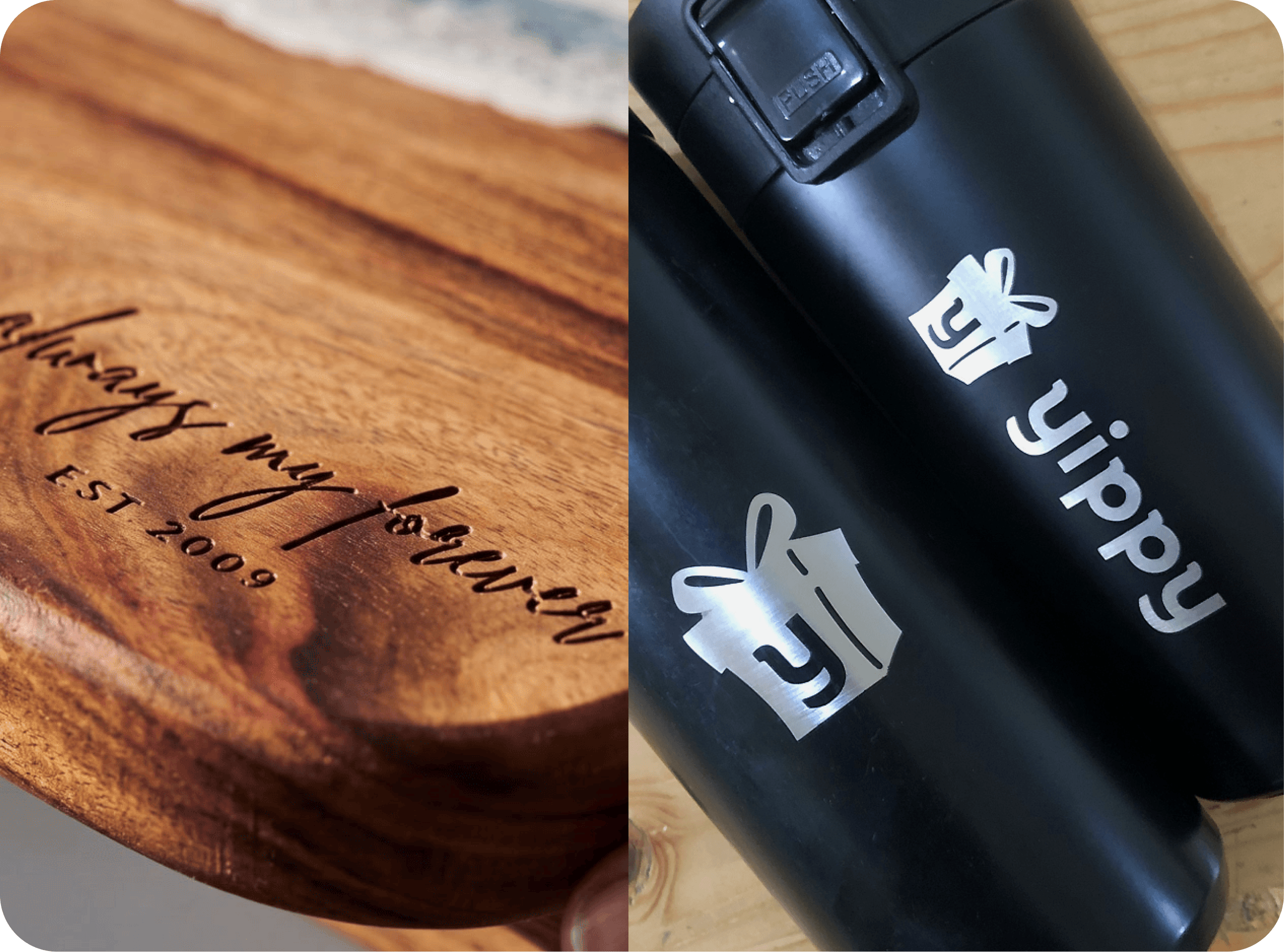
Engraving & Laser
What Is It
Engraving permanently carves a design, logo, or text into the surface of a product using a laser or mechanical process. It is commonly used on metal, wood, glass, stainless, and premium materials.
Expectation & Limitations
Engraving creates a sophisticated, premium appearance and offers exceptional durability since the design becomes part of the material itself. Color options are limited because engraving typically reveals the material underneath rather than adding colored graphics.
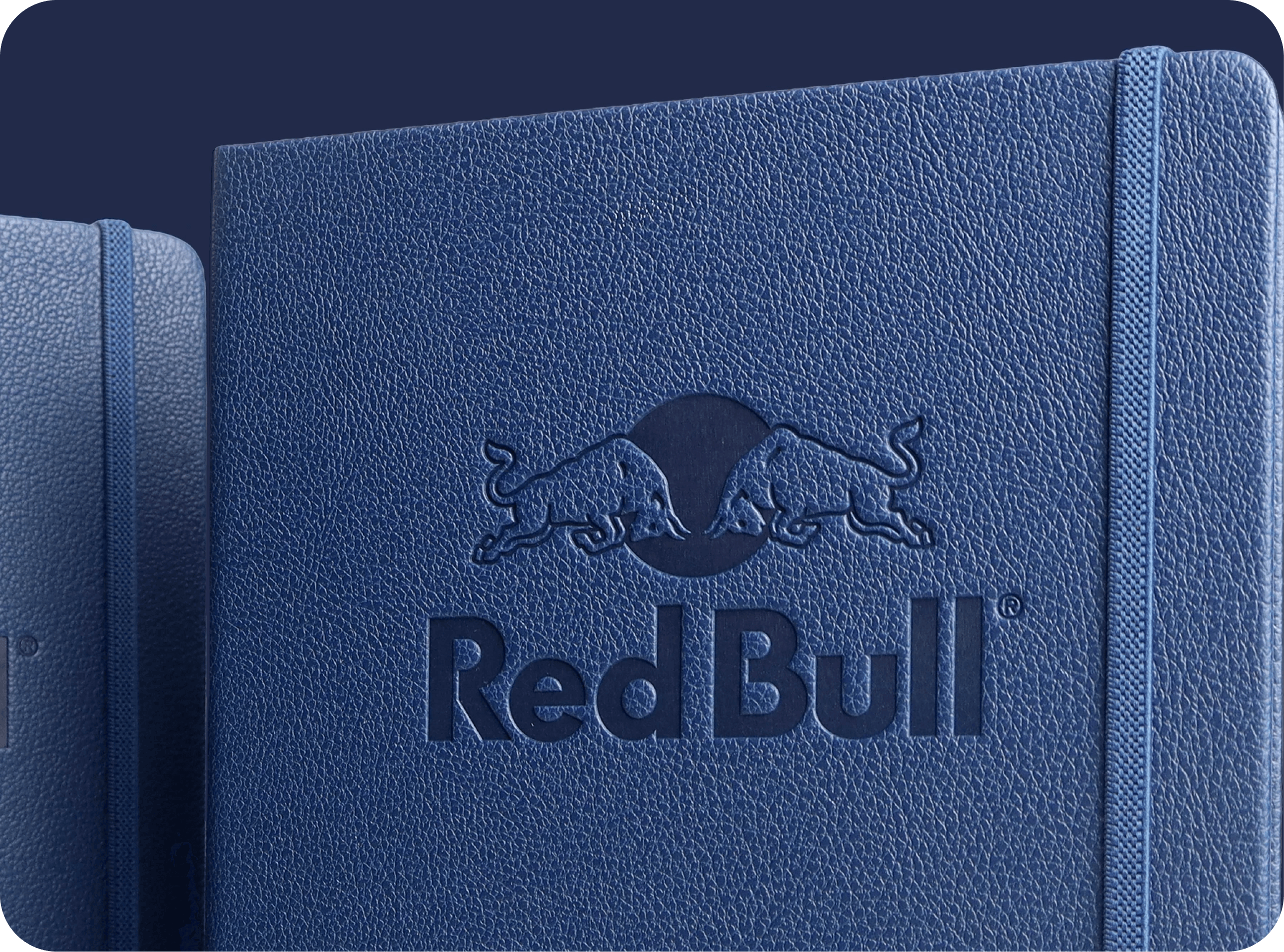
Emboss & Deboss
What Is It
Embossing creates a raised effect, while debossing creates an indented effect using heated metal dies. It is commonly applied to leather, PU leather, and notebook covers.
Expectation & Limitations
Produces an elegant, permanent texture without added ink (matching the original material color). Thin lines, intricate details, or small text are not recommended as they will be difficult to read. Because it requires creating a custom metal die upfront, this method is not suitable for tight production timelines.

Embroidery
What Is It
Embroidery is a technique of stitching thread directly onto fabric surfaces to create logos, text, or specific designs.
Expectation & Limitations
Produces a raised, textured finish and is highly durable (will not fade or peel). It is ideal for shirts, polo shirts, towels, hats, and bags. However, embroidery cannot reproduce color gradients, overly complex designs, or very small text. Additionally, applying it to thin fabrics risks wrinkling the material.
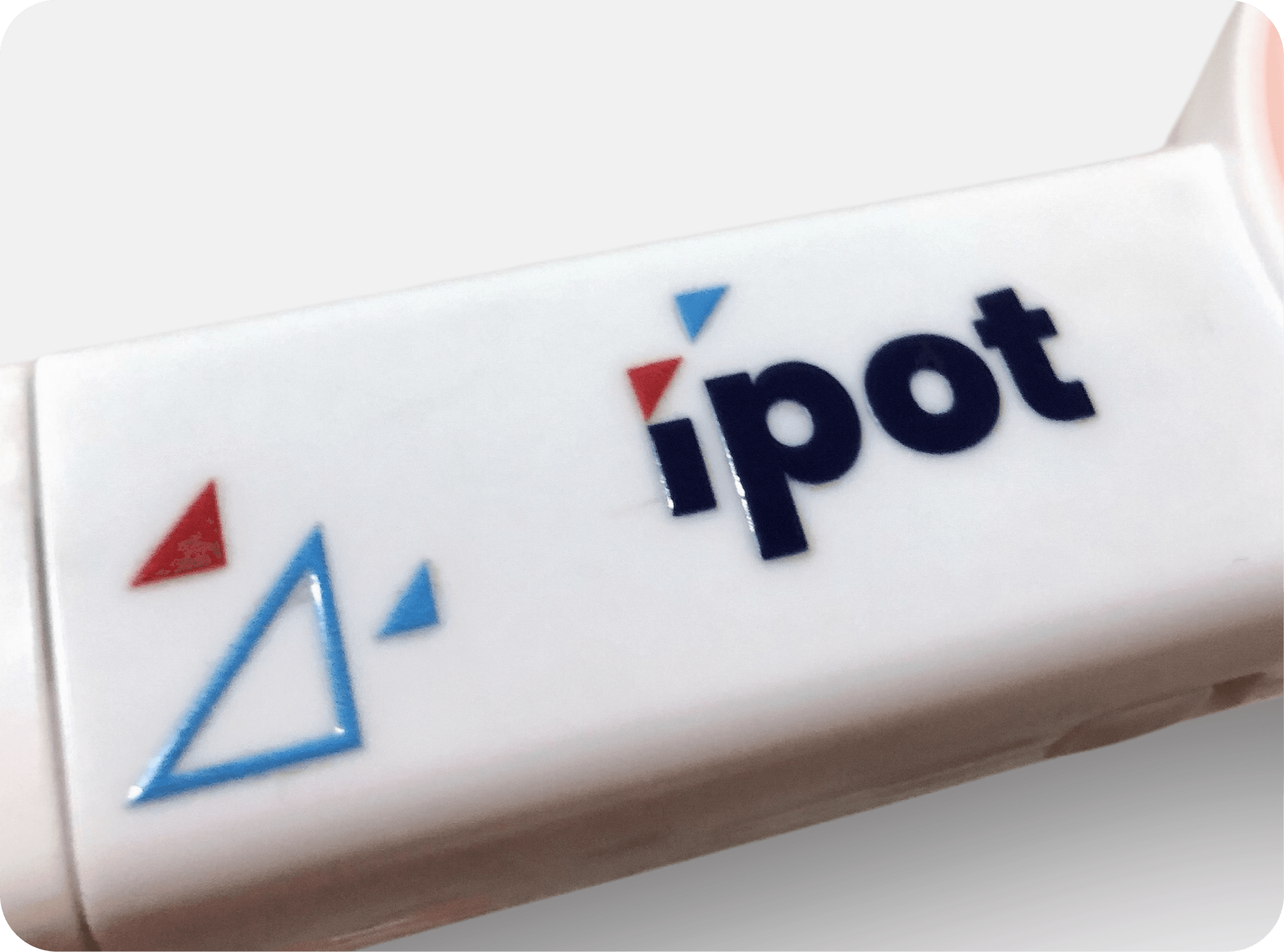
UV DTF
What Is It
UV DTF is a method that uses UV ink technology on a film sheet. The design is then applied to solid surfaces (like bottles, powerbanks, or mugs) using a special adhesive layer, without printing directly onto the item.
Expectation & Limitations
Produces a sharp, full-color designs with an embossed texture, and is highly flexible for application on curved or irregular objects. However, because it relies on an adhesive layer, the design is prone to peeling or scratching if frequently exposed to sharp friction.
Manual Screen Printing
What Is It
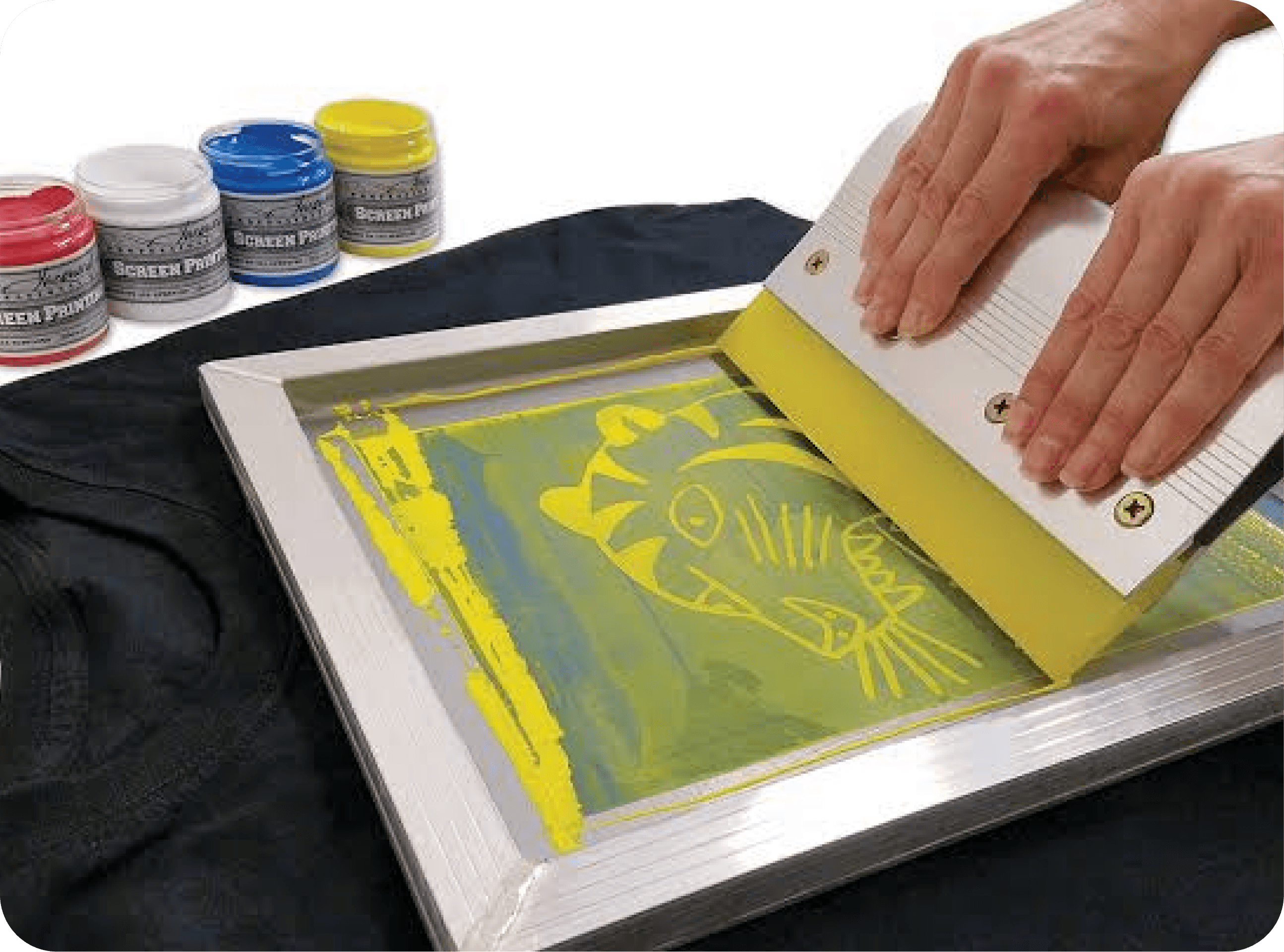
Manual screen printing transfers ink through a stencil mesh onto a product's surface. It is widely used for textiles, tote bags, apparel, and certain promotional items.
Expectation & Limitations
Delivers solid, durable colors and is highly cost-effective for large production volumes. However, since each color requires a separate screen, it is less ideal for full-color designs, highly complex details, or projects with tight turnaround times.
DTF Press
What Is It
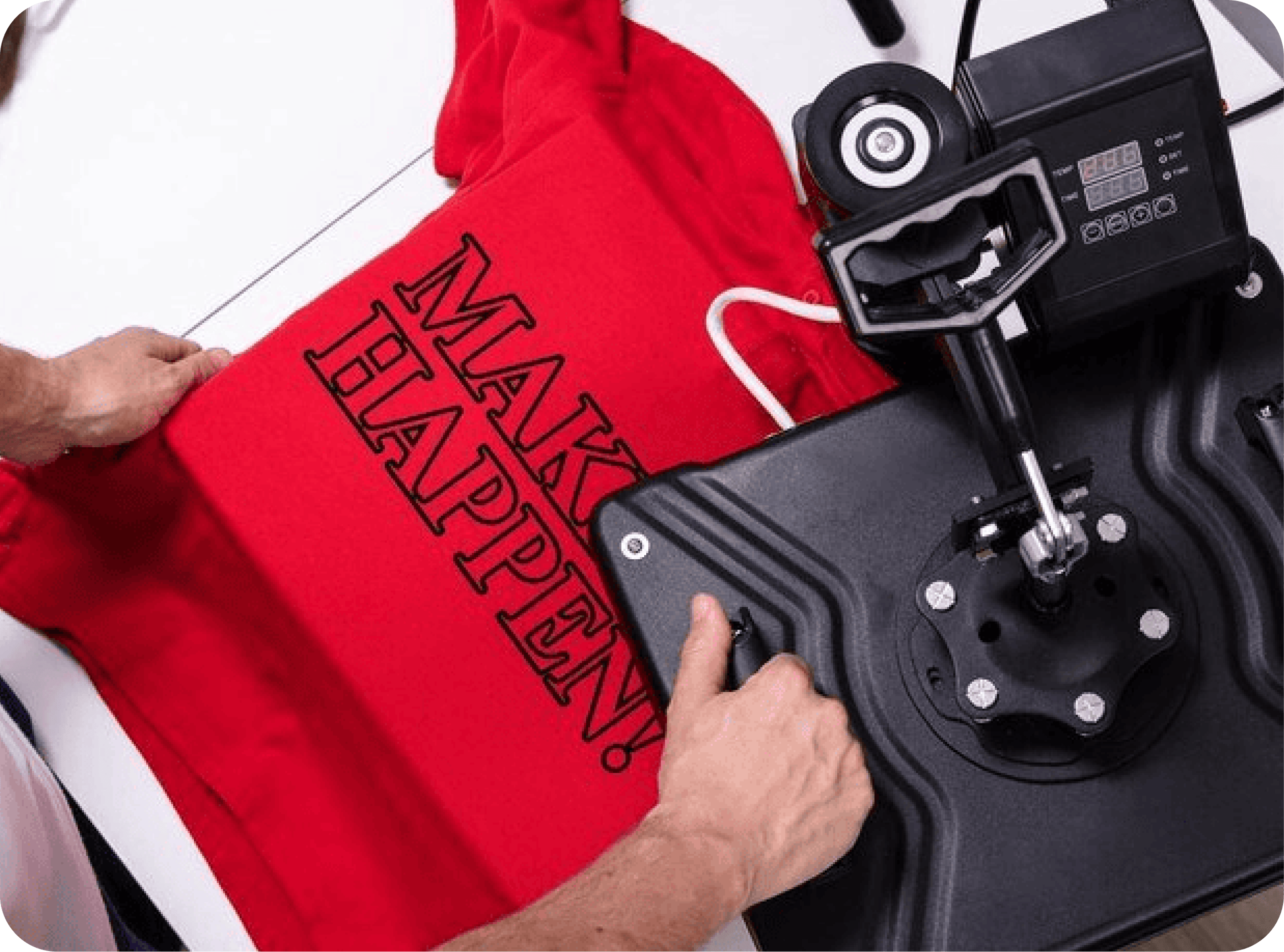
DTF (Direct to Film) is a printing technique where full-color designs are printed onto special film sheets and permanently applied to fabrics (like t-shirts and tote bags) using high-temperature machinery.
Expectation & Limitations
Produces vibrant colors and high-definition details, this method can be applied to both flat and curved fabric surfaces, such as hats. It is ideal for products that are difficult to print on directly. However, because it utilizes a transfer layer, the final design sits on top of the surface and does not seamlessly embed into the material the way engraving or UV printing does.
Digital Printing
What Is It
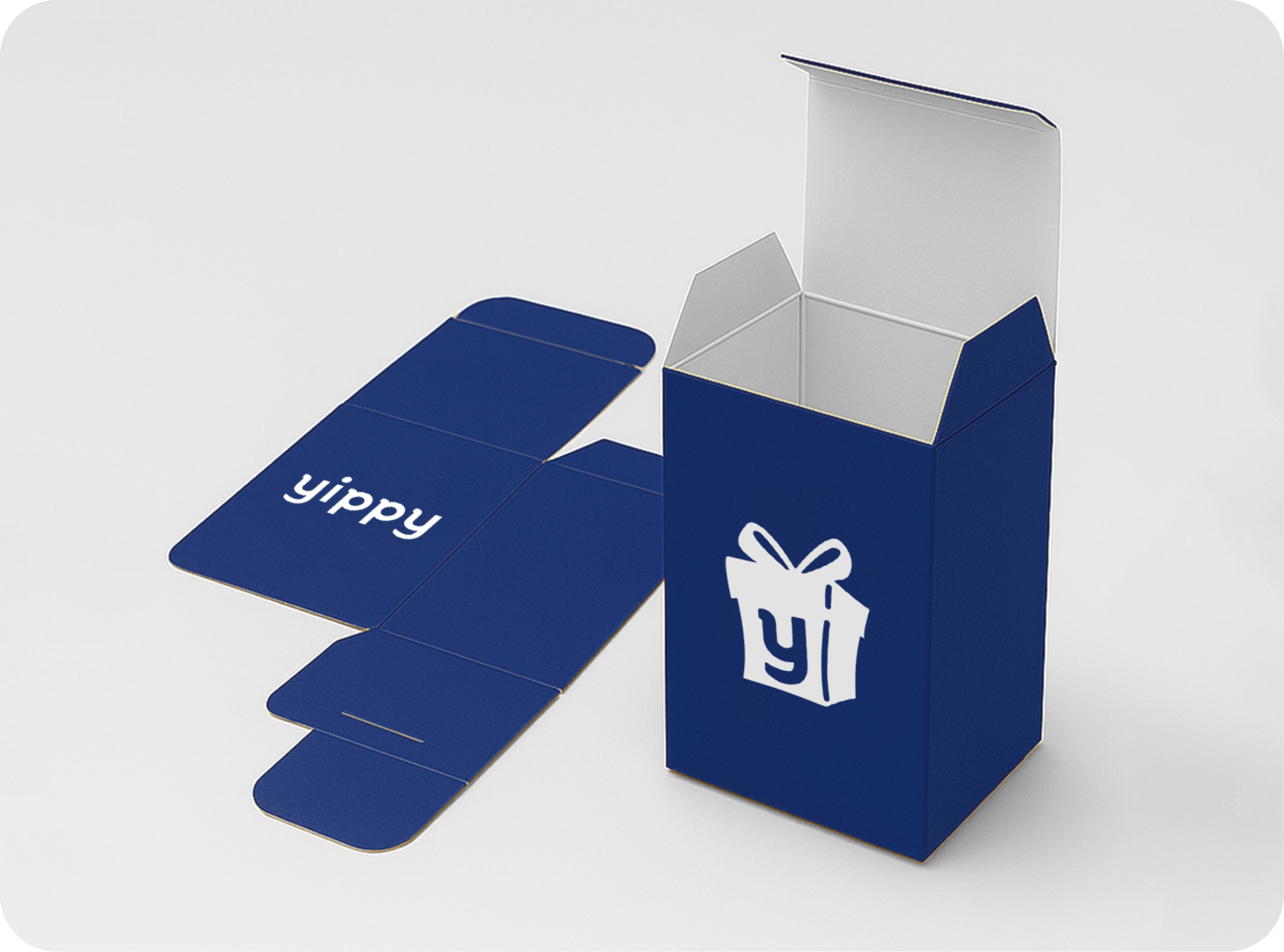
Digital printing is a technique that transfers digital artwork directly onto paper substrates using high-quality CMYK toners or liquid inks. It is the industry standard for customizing flat paper goods such as greeting cards, notebook covers, and packaging boxes.
Expectation & Limitations
Ideal for vibrant, crisp, and fast full-color designs. However, Pantone colors will only be an approximation due to the CMYK format. This method is exclusively applied to flat paper or cardstock surfaces (not for curved or non-paper objects), and it cannot print white ink or true metallic colors.
Sublimation
What Is It
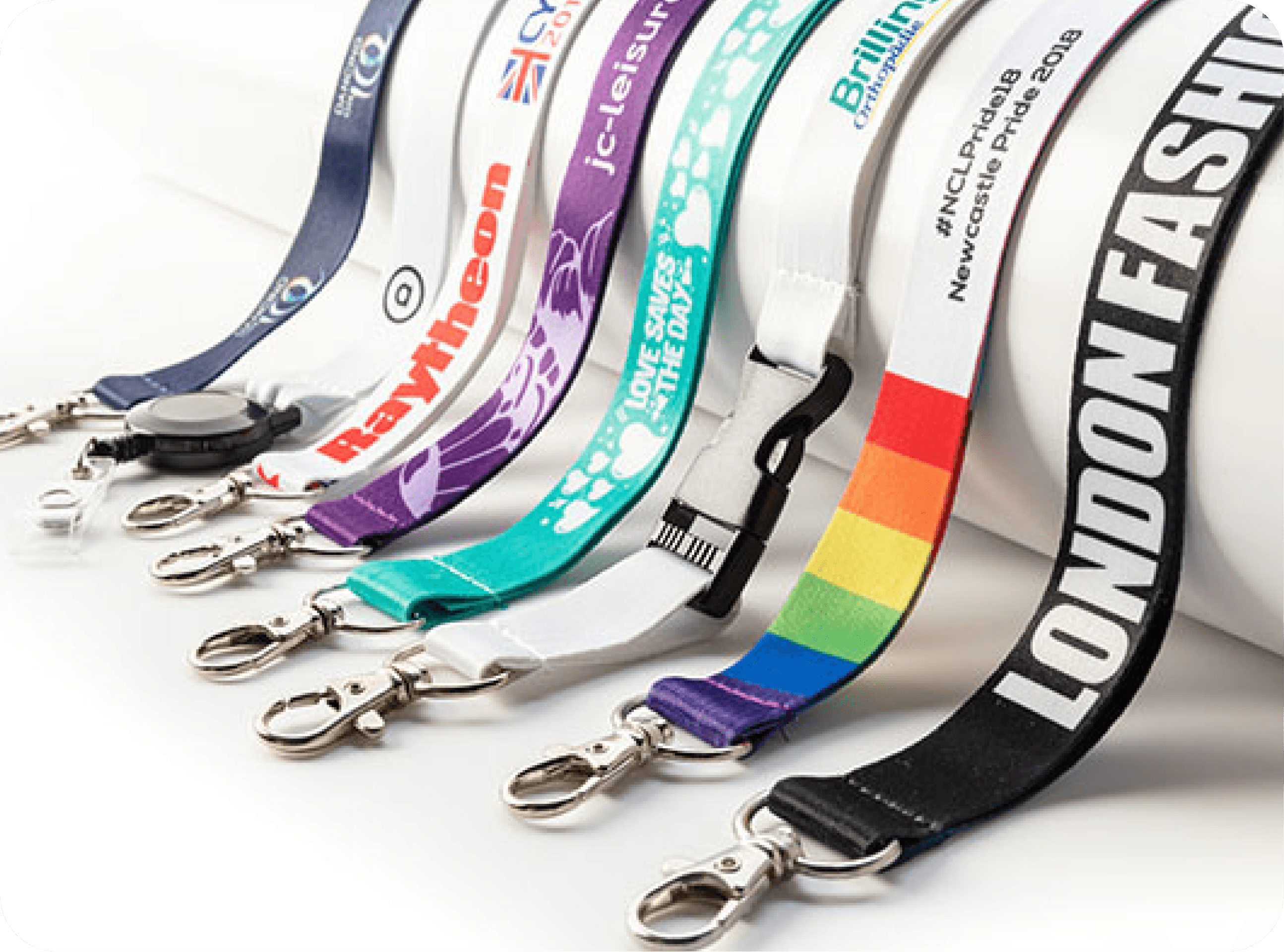
Sublimation printing is a heat-transfer process that applies designs onto polyester fabrics or polymer-coated hard goods, such as lanyards, mugs, and mousepads. During the heating process, the special ink permanently embeds itself into the material's fibers or coating.
Expectation & Limitations
This method is ideal for permanent, full-color designs that will not fade or peel. However, sublimation only works on polyester fabrics or polymer-coated surfaces. The base material must also be white or very light to ensure color accuracy. Because this technique cannot print white ink, any white areas in the design will simply show the original color of the base material.
